
Ever wondered why your blackjack winnings sometimes seem bigger or smaller than you expected? Understanding how payouts work makes a big difference to how you approach the table and what you can realistically expect from a session.
This guide walks through the payouts you’ll see most often, how odds and house edge affect your returns, and what variations in table rules can mean for your play. It’s written plainly, with clear examples, so you can spot the meaningful differences quickly.
If you want to make more informed choices at the table—whether online or in person—keep reading. Each section builds on the last, so you’ll be able to compare rules and spot the best value games for your style.
What Are the Standard Blackjack Payouts?
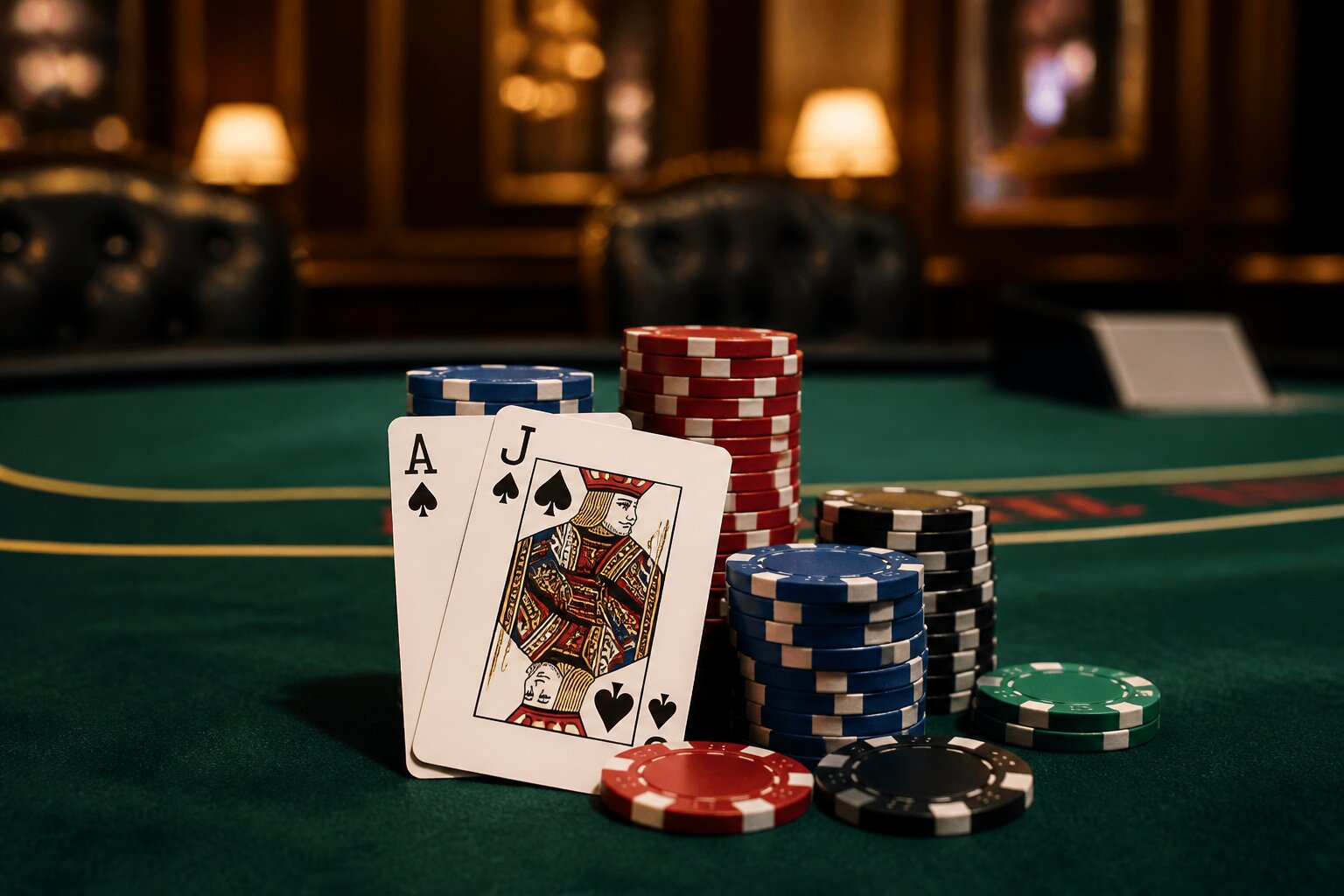
The most common payout you’ll encounter is 3:2 for a blackjack, which means a £10 stake returns £15 in winnings plus your original £10. That difference between 3:2 and the less generous 6:5 is significant: on a £10 stake a 6:5 payout gives only £12 in winnings, reducing your return compared with 3:2.
Standard wins where your hand beats the dealer usually pay 1:1, so a £10 winning hand adds £10 to your balance. Insurance, offered when the dealer shows an Ace, typically pays 2:1 but is an option that carries a comparatively high house edge and should be approached with care.
Payouts vary by game and operator, so check the table rules before you play. That single check lets you compare how much the game returns on key outcomes and decide whether that table suits your goals.
Understanding Blackjack Odds & Probabilities
Odds in blackjack show how likely particular events are — for example, the chance of being dealt a natural blackjack in the first two cards is roughly 1 in 21. That gives you a sense of how often you might expect the 3:2 payout to occur over many hands.
Decisions such as hitting, standing or doubling down shift the probability of particular outcomes. The dealer’s up card changes their bust probability: a dealer showing a 6 is more likely to bust than one showing a 10. These shifts in probability influence which plays are mathematically preferable in a given situation.
While strategies can improve your expected return relative to random play, no approach removes the casino’s long-term advantage. Think in terms of probabilities and averages rather than seeking guaranteed results.
What Is the House Edge in Blackjack?
The house edge represents the average portion of each stake that the casino expects to retain over time. With favourable rules and sensible play it can be quite low in blackjack — often near 0.5% — but small changes in rules can push that edge higher.
For example, replacing the 3:2 blackjack payout with 6:5 increases the house edge noticeably. Other rule changes, such as limiting doubling down or forcing the dealer to hit on soft 17, also alter the edge. Knowing which rules are in effect lets you estimate how attractive a table is.
Remember the house edge is a long-run metric: short-term results can vary widely, yet over thousands of hands that percentage expresses the expected direction of returns.
How Do Different Blackjack Variants Affect Payouts?
Different blackjack versions adjust rules and payouts to balance added player options or simplify game play. European Blackjack commonly deals the dealer only one card face up initially and usually keeps the 3:2 blackjack payout. Variants like Double Exposure, where both dealer cards are shown, typically reduce the blackjack payout or change other rules so the house retains an edge.
Games such as Blackjack Switch or variations with altered surrender, doubling, or split rules often carry modified payouts to offset player advantages. Online versions can add proprietary side bets or tweak payout tables further, so the exact return profile depends on the variant and its rule set.
When comparing variants, focus on the combination of blackjack payout, doubling and splitting rules, and whether surrender is available. These elements together determine how close the game comes to the lower house-edge variants.
How Do Side Bets Impact Payouts & House Edge?
Side bets are optional wagers resolving on special outcomes and typically offer larger headline payouts but with considerably higher house edges. They’re designed to provide a different kind of excitement and payout profile than the main game, but they aren’t as favourable from a long-term expectation standpoint.
Because side bets pool different events and often pay based on rare combinations, their probability of winning is much lower than that of the main hand. Treat them as occasional extras rather than a core part of your strategy, and set limits on how much you allocate to them.
Common Side Bets and Their Payouts
Below are examples of common side bets and typical payouts you might see, though exact numbers vary by table:
- Perfect Pairs: payouts range from modest amounts for mixed pairs up to larger sums for same-suit pairs.
- 21+3: combines your first two cards with the dealer’s up card to make poker-style hands; payouts scale with the rarity of the hand.
- Insurance: pays 2:1 if the dealer has blackjack when showing an Ace, but carries a high house edge compared with normal play.
Before placing side bets, check their paytables and consider how frequently those outcomes are likely to occur; that balance explains why their return is usually less favourable than standard blackjack play.
Are All Blackjack Tables the Same in Terms of Payouts?
Tables differ, often in small ways that add up. Key variations include:
- Payout ratios for a natural blackjack, for example 3:2 versus 6:5.
- Allowed actions, such as whether you can double after splitting.
- Available side bets and their individual paytables.
A table advertising 3:2 blackjacks with liberal doubling rules will generally offer better expected returns than one that pays 6:5 and restricts doubling. These differences affect the house edge and how favourable the game is over the long term.
Always check the table rules where they are displayed or in the game information online before you sit down. Comparing those rules helps you choose a table that matches your preferences and gives you the best chance of positive expected returns for the style of play you prefer. Remember to play responsibly.
Common Myths About Blackjack Payouts
There are a few persistent misconceptions that cloud good decision-making. One is that every blackjack table offers identical payouts — they don’t. Another is that side bets consistently improve your expected return — typically they don’t, because their house edges are larger.
Some players expect certain tables to be “hot” or “cold,” but each hand is independently determined by the shuffle and deal; outcomes follow probability rather than streaks. A clear, rule-focused comparison of tables will serve you far better than chasing patterns that aren’t supported by mathematics.
If you see a rule or payout that’s unclear, ask the dealer or consult the game help — knowing the precise terms is the most reliable way to judge a table’s value.
How to Read a Blackjack Payout Table
A payout table summarises the returns for specific outcomes and lists any side bets or special rules. You’ll find it on the table felt, in a game’s information panel online, or in a rules sheet.
Look for the blackjack payout (3:2 or 6:5), the standard win payout (usually 1:1), insurance payout (2:1) and the detailed payouts for any side bets. That snapshot lets you compare how much a particular event pays versus how likely it is to happen, which is the key to assessing value.
Regulated operators must publish accurate paytables, so taking a moment to read them gives you clarity about what to expect from the start.
Finding the Best Blackjack Payouts in UK Casinos
Spotting the most favourable tables comes down to checking a few core items: the blackjack payout (3:2 is preferable to 6:5), doubling and splitting rules, whether surrender is allowed, and the presence and nature of side bets. Comparing these factors across available tables helps you identify which offers the best expected returns for your play style.
If you need a quick comparison, look first for tables showing a 3:2 blackjack payout, then check doubling and surrender rules next. Where side bets are present, note their exact payouts and weigh their entertainment value against their higher house edge.
When you’ve found a table that suits you, set a clear budget and enjoy the game with that limit in mind. If anything about the rules is uncertain, ask the dealer or consult the game information before placing stakes.
Final note: being informed about payouts and rules makes your play more confident and prevents unpleasant surprises, so a quick review before every session is time well spent.
**The information provided in this blog is intended for educational purposes and should not be construed as betting advice or a guarantee of success. Always gamble responsibly.