
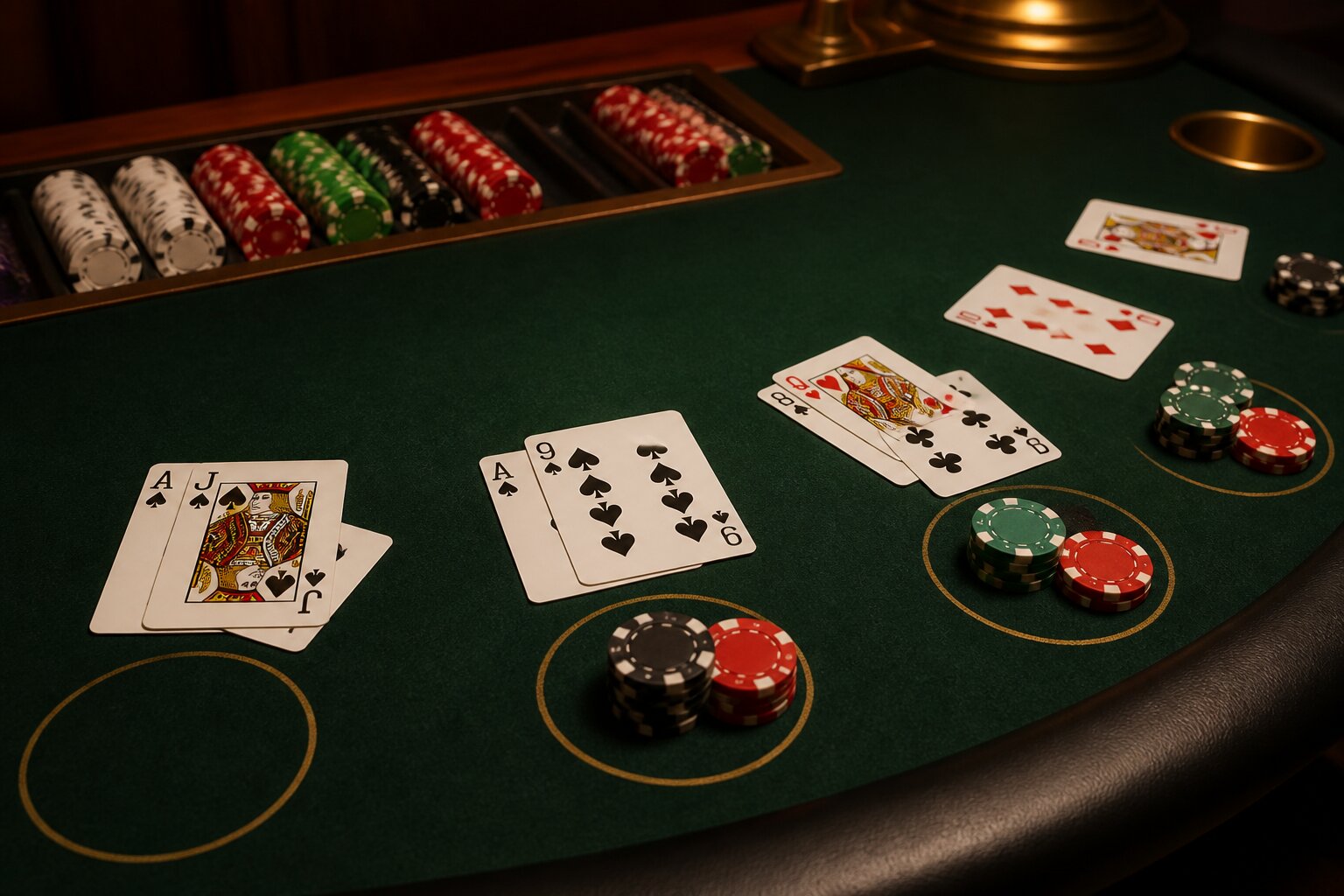
Think you know blackjack? There’s more to the classic game than simply trying to reach 21. Online sites now offer a wide range of blackjack variants, each adding different rules, payouts or decisions that change how a hand plays out.
Whether you want a straightforward game or something with extra options, understanding the main variants helps you pick the table that suits your style. Read on to explore the most common versions and what makes each one worth trying.
What Are the Main Types of Blackjack?
All blackjack variants share the core aim: finish with a higher total than the dealer without exceeding 21. They differ in details that affect both strategy and the feel of the game.
- how cards are dealt
- when you can double down or split
- which hands receive special payouts
Those differences shape the choices you make at the table and the house edge, so it is worth checking the exact rules before you play.
Classic Blackjack
Classic Blackjack is the simple, familiar form most players learn first. It pits each player against the dealer in direct hands, with standard rules for hitting, standing, doubling and splitting. Because play is straightforward, it provides a clear baseline for learning how other variants change the game.
This version is a good place to practise basic strategy and to get comfortable with pacing and bet sizing. Many casinos use the classic ruleset as their default, so understanding it helps when you move to other tables.
European Blackjack
European Blackjack changes the timing of the dealer’s cards. The dealer shows only one card until players have completed their hands, which reduces the information available when making decisions.
That shift affects how players approach doubling down and splitting, and it can increase the risk in some situations. Rules vary by casino, so check whether the dealer takes a second card only after players finish, and whether late surrender or other options are allowed.
Blackjack Switch
Blackjack Switch gives players two hands and the option to exchange the top cards between them. This creates strategic choices around balancing risk between both hands and can lead to more dynamic play across a single round.
Because you can move cards between hands, decisions about where to concentrate stronger totals become important. Casinos often adjust payouts or introduce rules such as pushing on dealer 22 to compensate for the player advantage this switch can create, so read the table rules carefully.
Vegas Strip Blackjack
Vegas Strip Blackjack uses slightly different rules for doubling and splitting compared with classic versions. It is commonly associated with the US casino style and tends to attract players who like familiar blackjack mechanics with a few American-flavoured tweaks.
Tables may allow re-splitting pairs and doubling after splitting, which can change strategy and potential returns. As with all variants, confirm the exact rules at the table you choose to play to avoid surprises.
How Do Classic and European Blackjack Differ?
The main distinction is the timing of the dealer’s second card. In Classic Blackjack the dealer has one card hidden, which is revealed during play. In European Blackjack the dealer only receives the second card after players have acted, which changes the information players use to judge their choices.
Other small rule variations, such as when doubling down is permitted or whether surrender is available, can also affect optimum play. If you want to compare variants, look at those practical details rather than general impressions—they are the things that genuinely alter how a hand plays out.
If you enjoy comparing subtle rule changes, the next section shows how American-style variants introduce their own set of options.
How Does Atlantic City Blackjack Work?
Atlantic City Blackjack borrows rules commonly used in New Jersey casinos. It is typically played with eight decks, and the dealer checks for blackjack when showing an Ace or a ten-value card. Players may split up to three times and can double down on any two cards and after splitting in many tables. The variant often permits late surrender, so a player can forfeit half their bet under certain conditions.
These features give players more flexibility in how to manage hands, especially when pairs and doubling opportunities arise. When trying this version, reviewing the table-specific rules ensures you understand how splitting and surrender operate in that game.
Now that you have a sense of regional variants, here’s a version that changes the deck itself.
What Is Spanish 21?
Spanish 21 removes all the 10s from the decks, leaving 48 cards per deck. To offset the altered card mix, Spanish 21 introduces generous player-friendly rules such as broader doubling options, late surrender, and bonus payouts for specific hands like a 21 made with five or more cards. Many tables also include side bets that reward particular card combinations.
Because the absence of 10s alters the frequency of certain totals, the strategies used in Spanish 21 differ from standard blackjack. Players who enjoy tweaking their approach to fit new rule sets often find this variant engaging.
From changing the deck to revealing the dealer’s hand, variants can take very different approaches. Double Exposure is one that puts the dealer’s cards on show.
What Makes Double Exposure Blackjack Unique?
In Double Exposure Blackjack both of the dealer’s cards are dealt face up, giving full visibility of the dealer’s starting hand. This single change alters the dynamics of play and the information available to the player from the outset.
To compensate, the rules usually favour the house in other ways. Typical adjustments include:
- reduced blackjack payouts compared with standard blackjack,
- ties often being awarded to the dealer,
- restrictions on doubling or splitting in some venues.
This transparency affects basic strategy. Knowing the dealer’s exact total changes the risk and reward of options such as standing, hitting, doubling down or splitting. Players will often make different choices than in traditional blackjack because they can react to a known dealer outcome rather than an unknown card.
As always, table rules vary between casinos and game variants. Check the specific house rules before you play, and remember that the altered payouts and tie rules generally mean a higher house edge than in standard blackjack.
Next, let’s look at a home-grown variant with its own vocabulary and priorities.
How Does Pontoon Compare to Other Variants?
Pontoon is a British-style game similar to blackjack but with distinct language and priorities. The top hand is called a pontoon, an Ace plus a 10-point card. Both dealer cards are dealt face down, so players make choices without knowing the dealer’s immediate position. Players are generally required to hit until reaching a minimum threshold, and a five-card hand totaling 21 or less often beats other hands, creating an incentive to build longer hands without busting.
Because terminology and some rules differ, Pontoon can feel like a separate game even though it shares the same broad objective as other variants. Payouts and specific table rules vary, so take a moment to familiarise yourself with the house terms before sitting down.
You’ve seen several table rule variations so far; next are the versions that are most commonly played online.
Which Online Blackjack Variants Are Most Popular?
Certain variants consistently attract the most players online. Classic and European Blackjack remain widely played for their straightforward rules. Atlantic City and Vegas Strip appeal to those who prefer US-style rules, while Blackjack Switch and Pontoon draw players looking for extra choices or a different rhythm. Live dealer tables have also grown popular, bringing a social and immersive element to the online experience.
Before joining any table, confirm age requirements and account details. It’s sensible to set betting limits and use available account tools to manage play.
Now that we’ve covered common variants, it helps to clear up a few widespread misconceptions.
Are Blackjack Myths About Game Versions True?
There are several persistent misconceptions. The reality is more nuanced: rules and payouts can change the house edge modestly, but no variant guarantees a specific result or a long-term win for the player.
Common myths include:
-
Some variants guarantee better returns than others. Rule changes such as dealer behaviour, number of decks, surrender options and payout for blackjack do affect the house edge, but these adjustments alter probabilities only slightly. No legal variant turns the odds decisively in the player’s favour over time.
-
Online games are unfair. Regulated sites operate under licences and are subject to independent testing or use live dealer streams to show real-time play. Random number generators on audited platforms are checked for fairness, and operators must publish or make available licence and testing information.
-
Earlier hands influence later ones. In properly managed games, card distributions do not form reliable, exploitable patterns. Casinos use shuffling, multiple decks and, where applicable, continuous shuffling machines to ensure each round is effectively independent.
When choosing a variant, focus on verifiable rules and table terms rather than myths. Look at specifics such as number of decks, dealer stand/hit rules, surrender and doubling options, and payout ratios to judge how a version will play.
Choosing the Right Blackjack Variant for You
Picking a variant comes down to your preferences for pace, decision-making and rule complexity. Players who like straightforward play often stick with classic versions. If you enjoy extra tactical choices, variants that allow switching, broader doubling options or bonus payouts may be more engaging.
Think about what matters to you: whether you prefer knowing more about the dealer’s hand, seeking bonus payouts from unusual hands, or playing at a table with a particular tempo. Review the rules for any table you join and set sensible betting limits in advance to keep the experience enjoyable.
Whichever variant you try, use the site’s tools to manage your activity and stop if it stops being fun. For those who want to explore, try a few different formats with small stakes to see which style suits you best before committing to larger bets.
**The information provided in this blog is intended for educational purposes and should not be construed as betting advice or a guarantee of success. Always gamble responsibly.