
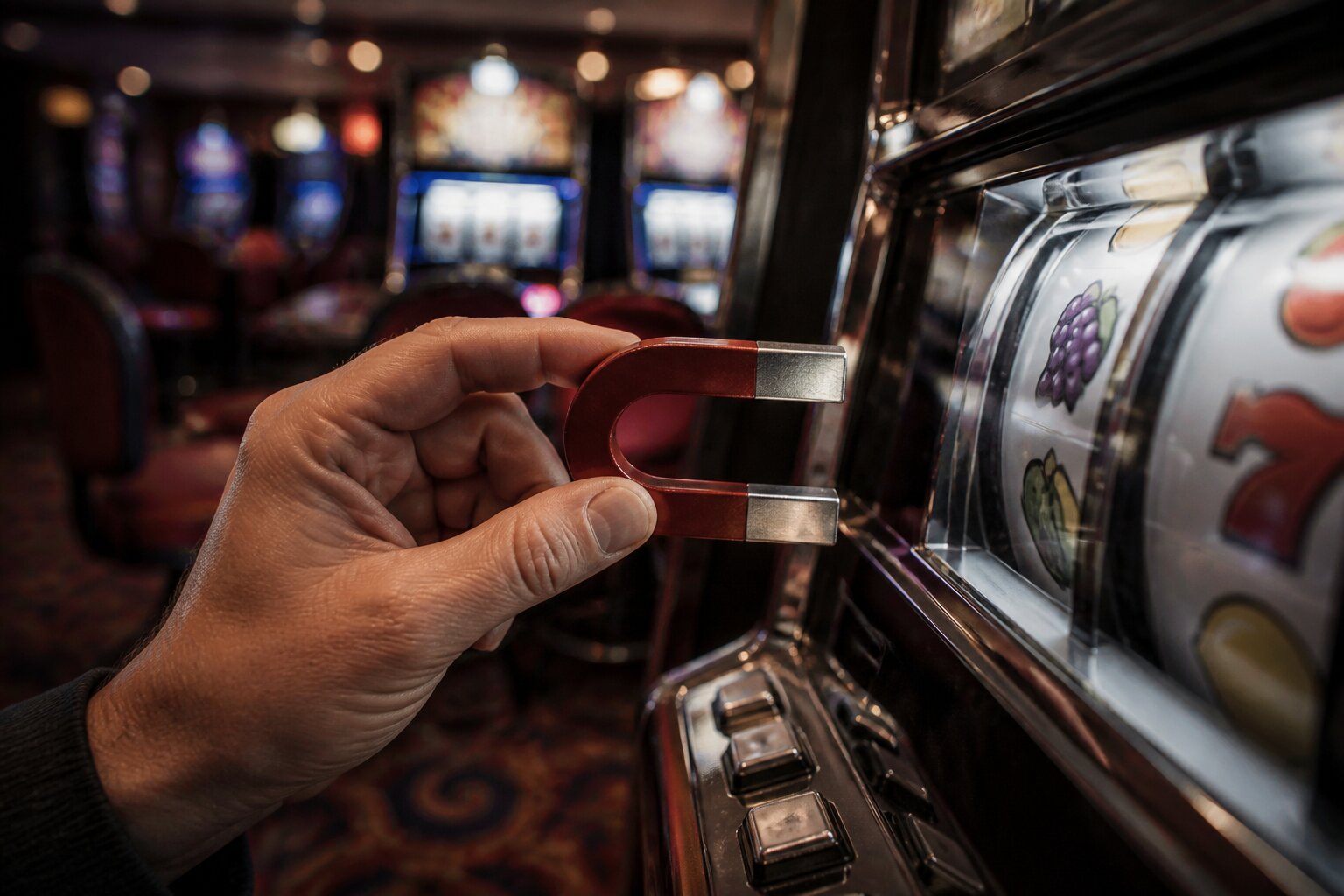
Ever wondered if a magnet could outsmart a slot machine? The idea has circulated for years, fed by old stories, films and gossip. Before you believe the hype or try something risky, it helps to understand where the stories began and what modern machines are actually like.
This article separates the myth from the facts, explains how contemporary slot systems work, and outlines the real consequences of trying to interfere with a machine. Read on to get the clear picture.
How Do Slot Machines Actually Work?
Modern slot machines are digital devices built around software, not spinning gears. At the core of every game is a Random Number Generator (RNG), a program that produces a continuous stream of numbers. Each play maps one of those numbers to an outcome, so every spin is independent and decided by the machine’s internal code.
Regulators require that games are tested and certified to ensure they behave as designed. That testing covers the RNG, payout percentages, and the systems that record play and results. Machines are sealed and secured so the outcome is governed entirely by the internal software, not external forces.
Because outcomes are generated inside a closed electronic system, there is no practical way for an external object to change how the RNG selects results.
Where Did the Magnet Myth Come From?
The magnet story goes back to the era of mechanical fruit machines and early electromechanical slots. Those older devices contained exposed metal parts, springs and simple electrical interfaces that, in rare and outdated cases, someone might be able to manipulate. Tales of magnets affecting payouts or stopping reels spread among players and staff, and a few reported incidents of dishonest behaviour stuck in the public imagination.
As gambling technology moved on, manufacturers replaced vulnerable components with sealed electronics, embedded sensors and stronger physical security. Modern machines are designed to detect tampering and to prevent simple magnetic interference, so what might once have worked on an antique machine no longer applies to contemporary equipment.
Still, the old tales persist because they make a good anecdote and are easy to repeat. They are part of gambling folklore, passed around in pubs and online forums, often with exaggerated details and little technical understanding. For most people the magnet myth is harmless folklore, but it can also give a misleading impression of how current machines and regulatory protections actually work.
Can a Magnet Really Affect Modern Slot Machines?
No. Contemporary slot machines are designed so magnets cannot influence outcomes. Their electronics and sealed enclosures prevent external interference from changing the software that determines results.
Regulatory testing and certification focus on making sure games are tamper-resistant. In addition, operators use monitoring systems to detect anomalies in play patterns or machine status. Taken together, these measures make magnetic manipulation ineffective and immediately noticeable.
If you are curious about technical examples, the sections below explain both the physical protections and the software safeguards in more detail.
Physical Security Measures in Slot Machines
Manufacturers fit machines with robust casings, tamper-evident seals and secure locks. Inside, critical components are mounted in ways that prevent casual access, and sensors will flag attempts to open or disturb the machine.
Casinos and arcades also maintain maintenance logs and perform routine inspections. Those practical steps reduce opportunities for tampering and make it obvious if equipment has been interfered with.
Digital Technology and Random Number Generators
The RNG runs in a sealed environment and is often backed by independent testing labs that verify randomness and compliance. Because the core decision-making happens inside that sealed digital system, external magnetic fields cannot change the values the RNG produces or the way those values map to outcomes.
Monitoring software watches for unusual behaviour, such as unexpected reboots, changes in firmware or irregular play statistics. Any such event is likely to be investigated promptly.
What Happens If You Try to Use a Magnet on a Slot Machine?
Attempting to tamper with a machine is risky and unnecessary. Modern machines are not susceptible to simple physical tricks and most attempts will fail to affect outcomes. More importantly, physical attempts trigger alarms or set off tamper sensors, and digital monitoring will record any suspicious activity.
Staff, security teams and the operator’s compliance procedures are prepared to respond quickly to such incidents. Typical responses include:
- floor staff attending the machine to assess the situation
- security personnel reviewing CCTV and incident logs
- the operator’s compliance team initiating formal checks and incident reports
Beyond immediate detection, attempts to interfere can lead to machine lockdowns and forensic checks that identify the source of the disturbance. Those checks may include analysis of machine event logs, review of footage and examination of the device by trained technicians. These systems exist so machines remain fair for everyone and to protect other customers.
If you are wondering about consequences, the next section covers the legal and practical outcomes of trying to cheat. Possible outcomes from tampering attempts include:
- being asked to leave the premises or being banned from the venue
- confiscation of any devices used and seizure of disputed funds
- civil or criminal proceedings, depending on the severity of the incident
- penalties imposed by the operator or regulator
Do not attempt to interfere with gaming machines. It is unsafe, unlawful and will almost certainly lead to adverse consequences.
Are There Any Real-Life Cases of Slot Machine Magnet Use?
Reports of people using magnets successfully are mostly tied to obsolete, mechanical devices from decades ago. Those machines were physically different, operated on simpler mechanisms, and were far easier to tamper with than machines in use today. As a result, older anecdotes reflect a technological past rather than the present.
Contemporary cases of people attempting to manipulate modern machines are rare and, when they do occur, usually lead to rapid consequences. Common outcomes include:
- swift detection by venue staff or electronic monitoring systems
- arrest or prosecution where criminal activity is evident
- banning from venues and confiscation of equipment
Historical anecdotes are interesting from a storytelling perspective, but they do not reflect current realities. Modern machines are subject to stringent regulation, enhanced security features and frequent software updates, which together make magnet-based manipulation impractical and unlawful.
Why Do Myths About Cheating Slot Machines Persist?
Old stories and selective memories keep myths alive. People tend to remember dramatic incidents and retell them without noting that the machines involved were aged, modified, or no longer in service. Over time the facts blur and the story becomes simpler and more sensational.
Films and TV shows also dramatise cheating methods, which reinforces the idea that simple tricks can work. Fiction rarely shows the full technical or legal context, so viewers may take dramatic portrayals as plausible in the real world. Social media and online forums can amplify this, spreading short, memorable accounts that lack detail or verification.
Another factor is misunderstanding. Technical details about random number generators, certification and monitoring are not always obvious to casual observers, so speculation fills the gaps. People may assume a visible pattern or behaviour means a machine is vulnerable, when in reality that pattern is part of normal operation or the result of deliberate game design.
Cognitive biases play a part too. For example:
- The availability heuristic makes dramatic or recent stories feel more likely than they are.
- Confirmation bias leads people to notice and remember incidents that fit their suspicions while ignoring contrary evidence.
- Nostalgia and distrust of institutions can make older tales seem more credible than current technical safeguards.
As the industry has tightened up, the window of opportunity for tricks has all but closed. Stronger regulations, independent testing, continuous monitoring and better maintenance make successful cheating far less plausible today than popular myths suggest. Regulatory oversight and modern security practices mean that alleged exploits from the past are rarely relevant to current machines.
Legal Consequences of Attempting to Cheat Slot Machines
Tampering with gambling equipment is a criminal offence in the UK. Anyone caught trying to interfere with machines can expect serious law enforcement action. Licensed operators are required to report suspected offences to the authorities and to cooperate fully with any subsequent investigations.
Those found to have tampered with or cheated on machines may face a range of penalties, including:
- arrest by police
- criminal prosecution
- fines or a criminal record
- confiscation of any winnings and possible civil action by the operator
- long-term or permanent bans from venues
Beyond immediate legal penalties, venues and operators take a strict approach to protect customers and their assets. Staff and security teams will act to prevent ongoing interference, and industry bodies may share details to prevent repeat offending across multiple sites.
Together, these criminal, civil and regulatory consequences make any attempt to cheat both impractical and highly risky. Any concerns about machine faults or suspected cheating should be reported to venue staff or the regulator rather than dealt with personally.
How Can Players Identify Reliable Casino Games?
Choosing a reputable venue or site is the best way to ensure games are fair. Licensed operators will make key information easy to find, which helps players check that games are independently verified and that the operator follows regulatory requirements.
Licensed operators typically display:
- licence details and regulator logos
- information about game testing and return-to-player (RTP) percentages
- independent testing certificates and audit reports showing the random number generator (RNG) and software meet recognised standards
Independent testing reports and certificates provide evidence that the RNG and game software are functioning correctly and that payouts match stated percentages. These reports are usually provided by respected testing houses and can often be viewed on the operator's site or the tester's website.
If you are unsure about an operator, look for clear licence details and third-party test certificates. You can also:
- check the licence number on the regulator's website
- read the terms and conditions and RTP information for specific games
- contact customer support to ask for testing or certification details
That transparency is a strong sign the operator takes compliance seriously and that the games are routinely checked. If you cannot find clear information, treat the operator with caution and consider choosing a site with verifiable credentials.
Conclusion: The Reality Behind the Magnet Myth
The magnet-and-slot story belongs to a different age of machines. Modern slots use sealed electronics, certified RNGs and active monitoring that prevent external tools from altering outcomes. Attempts to interfere are detected quickly and carry substantial legal and practical consequences.
If you want to play with confidence, choose licensed operators that publish testing information and maintain clear standards. Treat gaming as entertainment, set limits you are comfortable with, and stick to regulated venues so the experience is safe and straightforward.
**The information provided in this blog is intended for educational purposes and should not be construed as betting advice or a guarantee of success. Always gamble responsibly.