
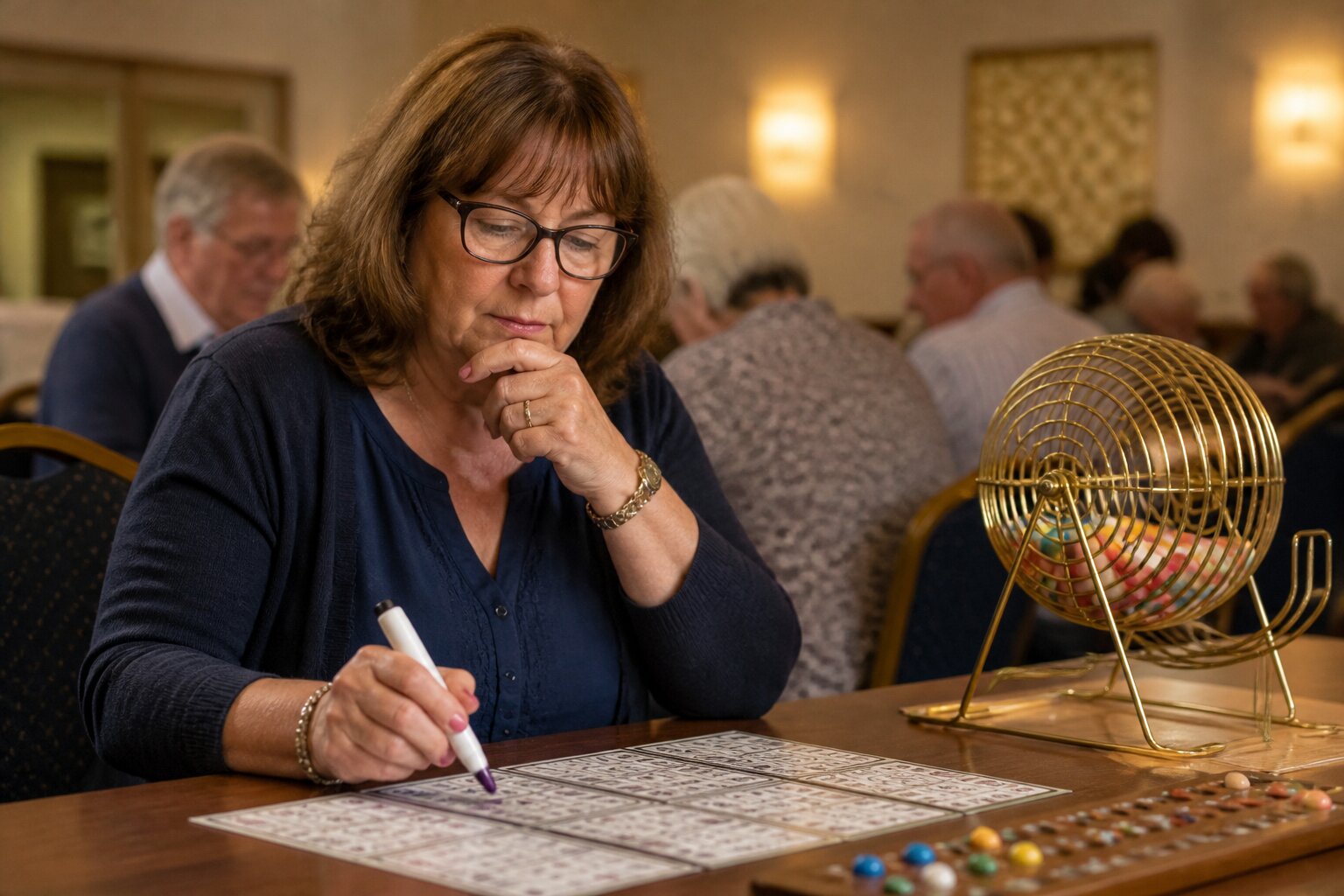
Picture the scene: you’re clutching a bingo card, eyes darting across a sea of numbers as the caller’s voice echoes through a lively hall or beams from your laptop. The tension mounts with each number called—there’s real excitement in the air. Have you ever paused and wondered whether there’s anything a player can do to influence the outcome, or is the result entirely governed by chance?
Bingo is widely known for its unpredictability, yet regular players often develop habits and preferences they swear by. From selecting certain tickets to settling in a particular seat, there’s plenty of talk about what might make play smoother or more enjoyable.
This article digs into how the game works, where player choices matter and where they do not, and how the social side of bingo adds to the experience rather than the result. Read on to separate practical approaches from myths and find out what truly makes a difference at the table.
How Does Bingo Work?
Bingo is played with numbered tickets where the aim is to mark off called numbers and complete specific patterns before other players. In the mainly used 90-ball format, a ticket has three rows and nine columns; each row contains five numbers and four blanks. A typical session awards prizes for a single line, two lines and a full house, the last being every number on the ticket.
The game proceeds with numbers drawn at random from the set of available balls, which are announced by a caller or generated by software. Players mark matches on their paper cards or rely on automatic marking in digital rooms. The 75-ball version arranges cards in a five-by-five grid and offers varied pattern wins such as straight lines and corners.
Every card is unique and each draw is independent, so the excitement comes from watching the numbers you need appear before anyone else manages the required pattern. With that framework in mind, it’s natural to ask whether any player action can meaningfully change what’s drawn next.
Is Bingo Purely a Game of Chance?
Bingo’s defining feature is that the draws are random and cannot be steered by player behaviour. In physical halls, mechanical mixers or air systems shuffle numbered balls so there is no predictable sequence. Online, certified Random Number Generators produce numbers independently and are tested by approved bodies to ensure fairness. The result is that nobody can influence which specific numbers come up.
That said, the environment around a game—how many people are playing, how many tickets you hold—affects outcomes for participants in a practical sense. For instance, if only a handful of tickets are in play for a particular prize, a given ticket has the same inherent chance as any other, but there are fewer competitors to claim it. Understanding this distinction between randomness in the draw and the practical impact of participant numbers helps clarify what is and isn’t within a player’s control. This leads neatly into what players can do to manage their involvement without changing the underlying odds.
What Role Does Skill Play in Bingo?
Skill in bingo is about managing the way you play rather than altering the draw itself. Practical abilities—staying focused, organ ising multiple tickets, and spotting numbers quickly—reduce the risk of missing a win due to human error. In busy halls where numbers come fast, marking accurately and maintaining concentration are useful. Online rooms often remove the need for speed through auto-marking features, but there are still choices around which sessions to join and how many tickets to buy.
Buying more tickets increases the number of chances a player holds, but it does not change the probability attached to any individual ticket. Similarly, knowing when to play a promotion or which game timings suit your budget can make sessions more cost-effective, yet these are management choices rather than strategies that alter the random draws.
Playing within a personal budget and treating bingo as entertainment helps keep the experience positive; sensible play protects against spending more than intended while letting you focus on the social and fun aspects of the game. With that in mind, the next section looks at specific factors that affect how games feel and flow for players.
Factors Affecting Your Chances in Bingo
Several practical factors influence how you experience bingo and how likely you are to be in a position to claim a win, even though none change the random selection process itself.
The number of cards you have in play changes your level of participation: more tickets mean more opportunities to hold winning combinations, but they also demand greater attention and organisation. Venue size and player count matter in terms of competition; smaller games can feel less crowded and offer a greater chance of sharing in prize pools, while large rooms increase the number of competitors for the same prizes. Speed of calling and your own concentration level influence whether you mark numbers correctly in a physical setting, and online online rooms remove that particular risk entirely.
Does Experience Enhance Bingo Performance?
Regular players often perform better at the practical side of bingo through repetition. They become familiar with handling several tickets, keeping track of which numbers remain, and avoiding errors under pressure. Experience smooths the process and reduces stress, making play more comfortable and helping to spot possible issues quickly. However, this competence still does not affect which numbers are drawn.
Are There Tactics for Managing Multiple Cards?
Players adopt different methods to manage several tickets efficiently. Physical players might use coloured pens, align cards in a consistent order, or place them on stands for a clear view. Online, some rely on auto-daubing and monitor multiple games at once, picking sessions that match their preferred pace. These approaches improve the likelihood of recognising a win when it happens, which keeps play enjoyable and reduces missed opportunities, but they remain organisational tactics rather than ways to change the outcome of a draw. The next section examines common beliefs that try to suggest otherwise.
Debunking Common Bingo Myths
Certain seats or charms increase your chances
Some players hold fast to the idea that a particular seat or a personal talisman will influence results. There is no mechanism by which seating position or carried objects can affect the numbers drawn. The draw process treats every ticket equally, and modern random number generation and mechanical draws are designed to ensure fairness.
Believing in lucky items can be harmless fun for some, but it is important to recognise that such rituals do not change probabilities. Relying on them as a strategy can give a false sense of control over a game that is based on chance.
Playing at quieter times brings more wins
Quieter sessions have fewer players, which can reduce competition for a given prize, but they do not alter the underlying probability of any ticket containing the numbers called. Every ticket still faces the same statistical likelihood of matching the numbers, regardless of how many people are present.
Prize amounts may also be smaller when fewer tickets are sold, so the trade-off is between competition level and prize size. Players should weigh whether a lower chance of splitting a prize is worth potentially smaller jackpots, and make choices that fit their budgets and expectations.
Experienced players always win more often
Frequent players might appear to win more simply because they play more often or hold more tickets. Experience helps with error reduction and game management, such as spotting numbers quickly and avoiding mistakes, yet it cannot influence random draws. Wins are distributed according to who holds the right numbers when the calls complete a winning pattern.
Being experienced can improve enjoyment and efficiency, but it does not change the odds. It is also worth remembering that playing more frequently increases exposure to both wins and losses, so players should consider how often they play and stick to limits that are affordable.
Dispelling these myths clears the way to enjoy bingo for what it offers: a regulated, fair game combined with social interaction and shared excitement. That social element is an important part of the next topic.
How Social Interaction Influences the Bingo Experience
The social side of bingo is central to its appeal. In halls, the conversation, shared reactions to calls and collective celebrations create a lively atmosphere that many players value highly. Those connections—whether with a regular group or people met at a session—shape why people keep returning.
Online platforms have replicated much of this through chatrooms, hosted events and themed nights, where players can exchange messages, take part in quizzes or join side games. These features encourage a sense of community and add entertainment value beyond the core game.
While social interaction does not affect the randomness of draws, it does enrich sessions and can make a single night of play feel memorable. That combined experience of casual competition and companionship is what keeps bingo popular across different settings, and it’s what many players consider the real prize.
Explore Casino Games at Online Slots UK
We’d love for you to experience the fun and entertainment we offer here at Online Slots UK. Whether you’re new to casino games or already familiar, there’s something for everyone to enjoy with us.
Getting set up is easy: just create an account, make a deposit and you’re ready to explore our selection of games. We look forward to welcoming you and sharing all that our site has to offer.
**The information provided in this blog is intended for educational purposes and should not be construed as betting advice or a guarantee of success. Always gamble responsibly.